

PSP10
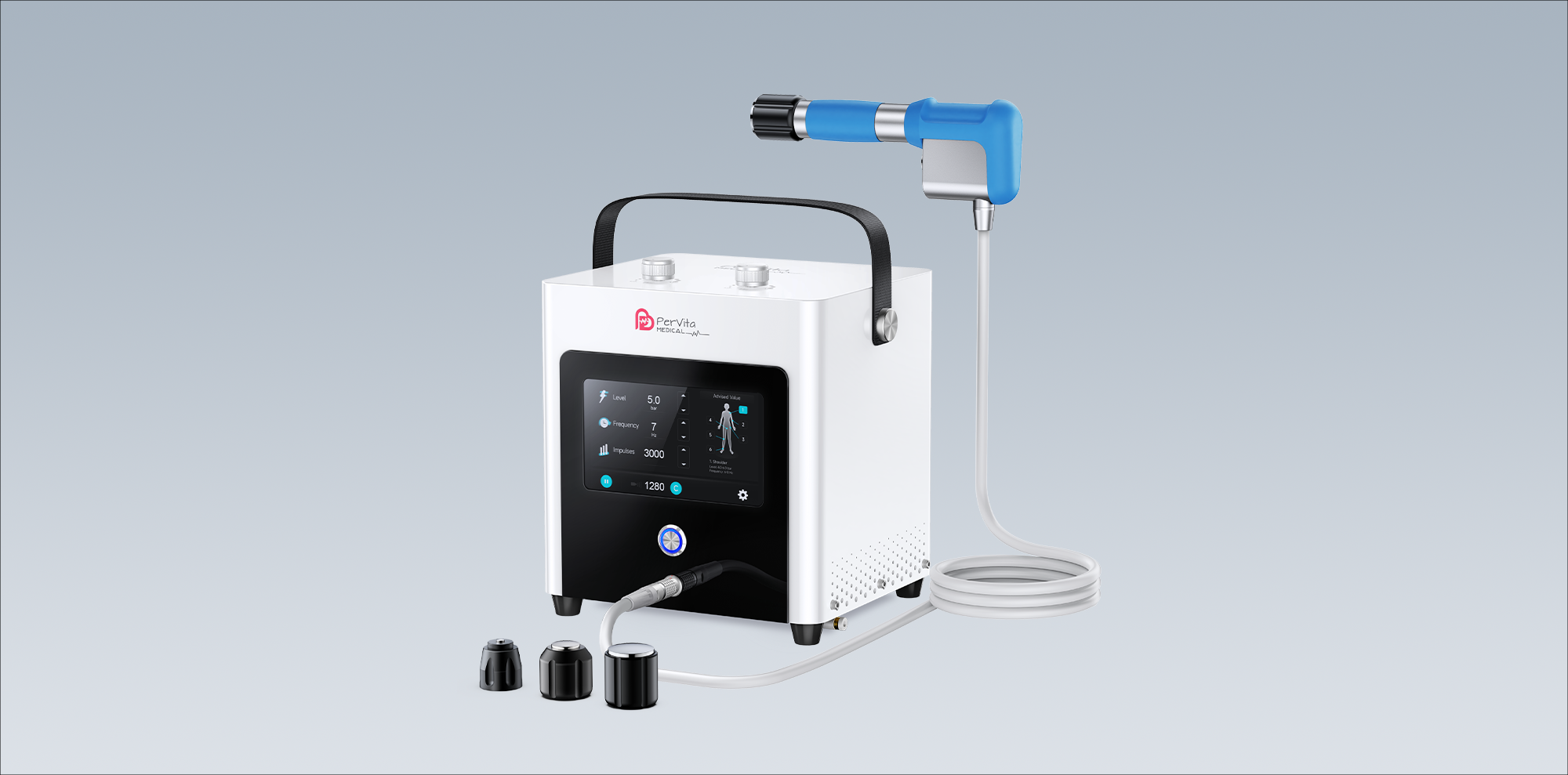
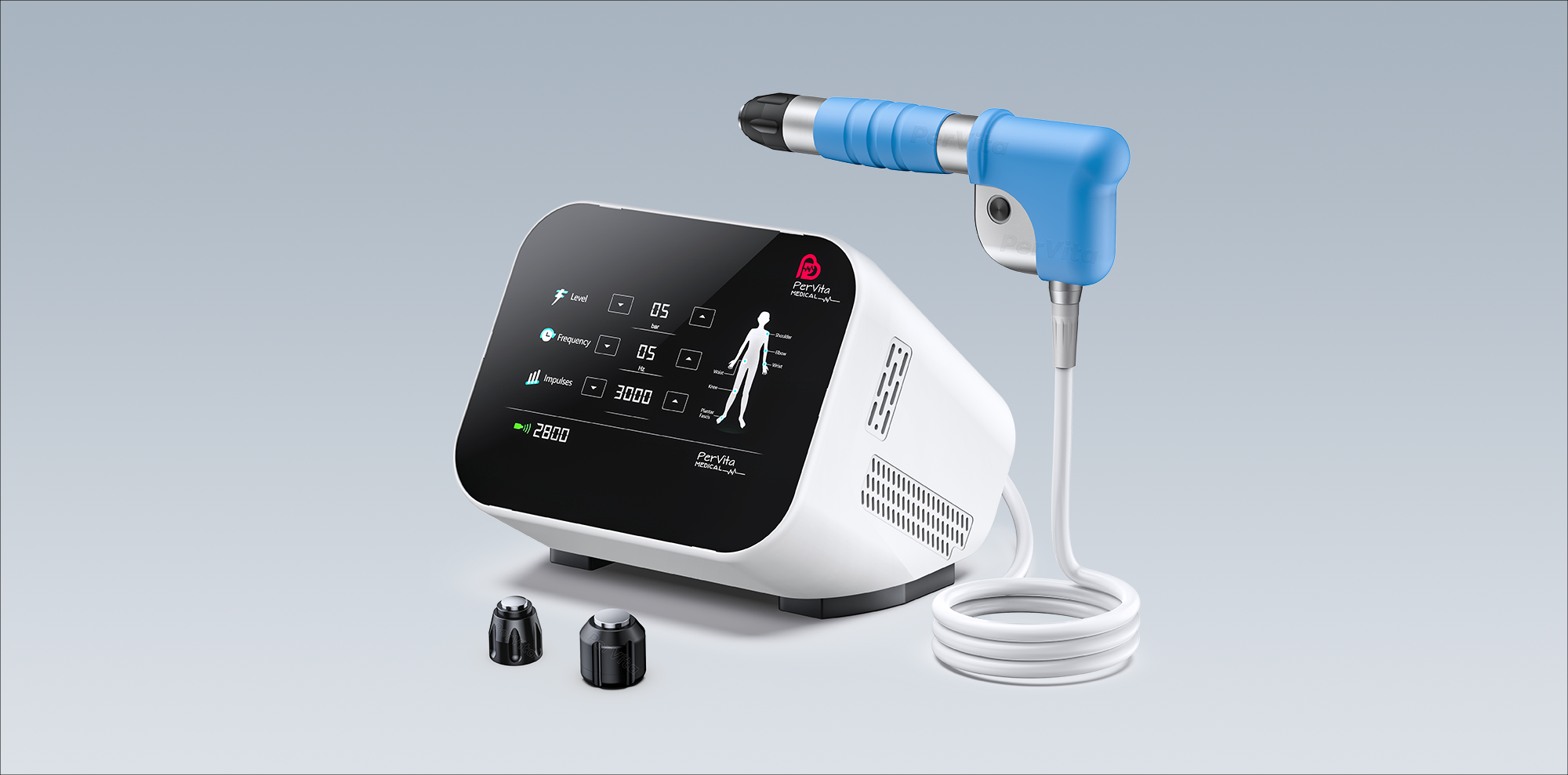
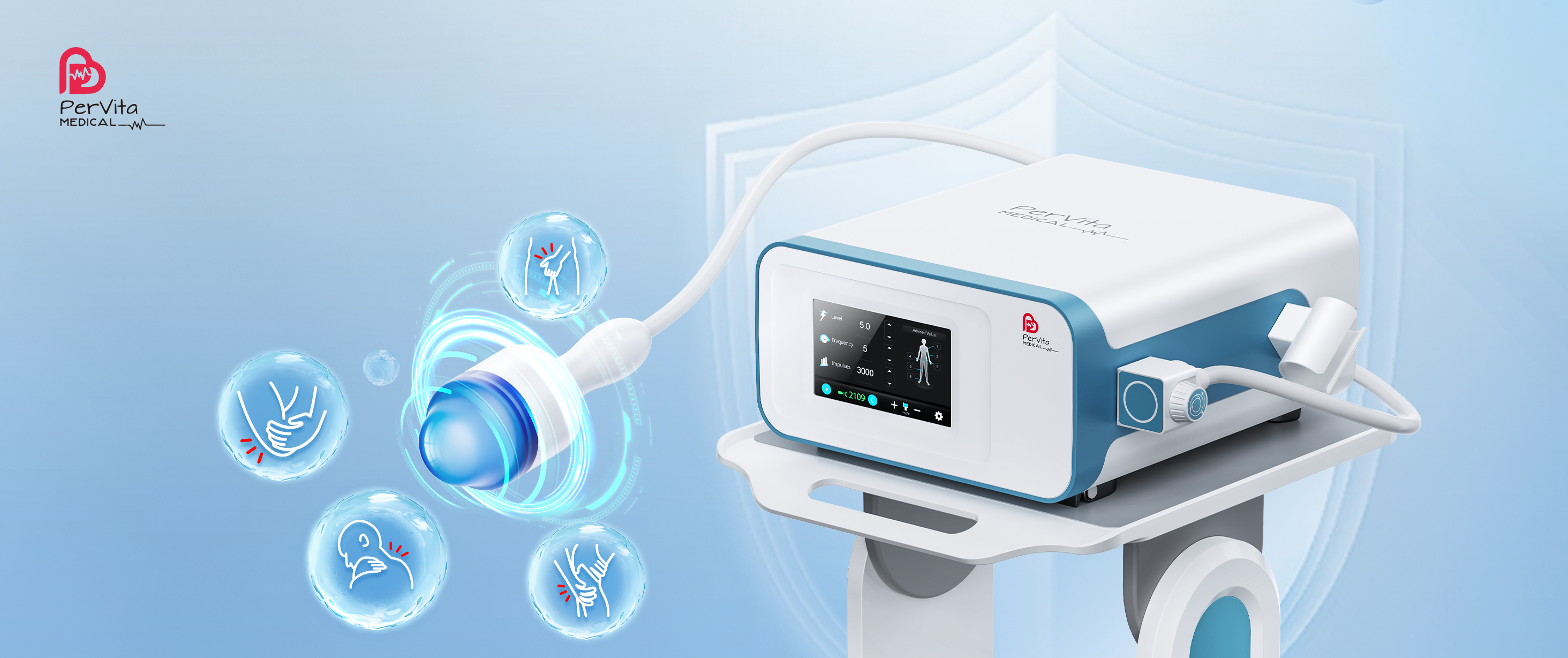
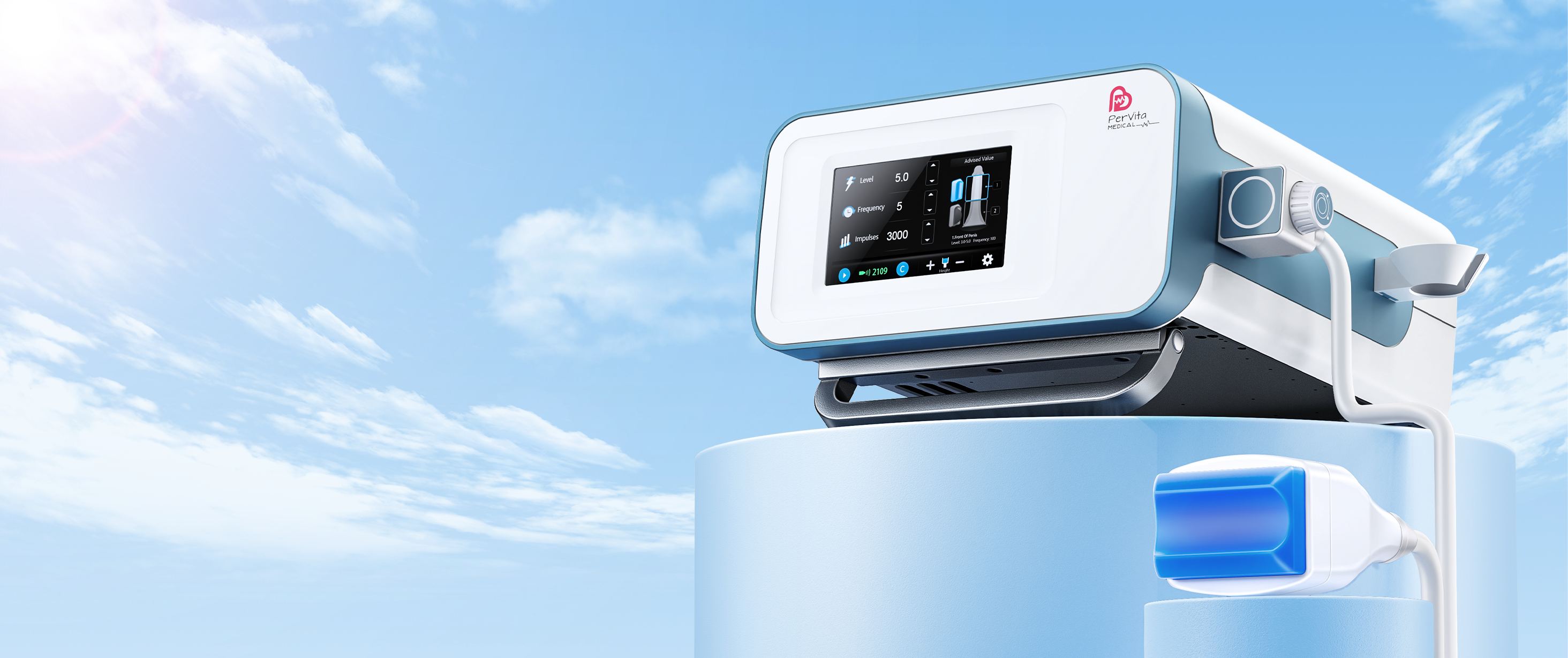
PSP35
Reviews & Ratings
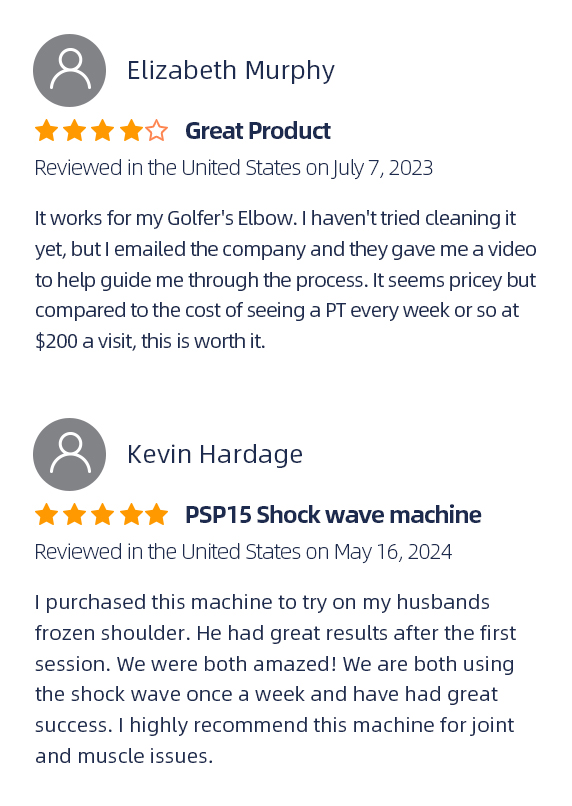
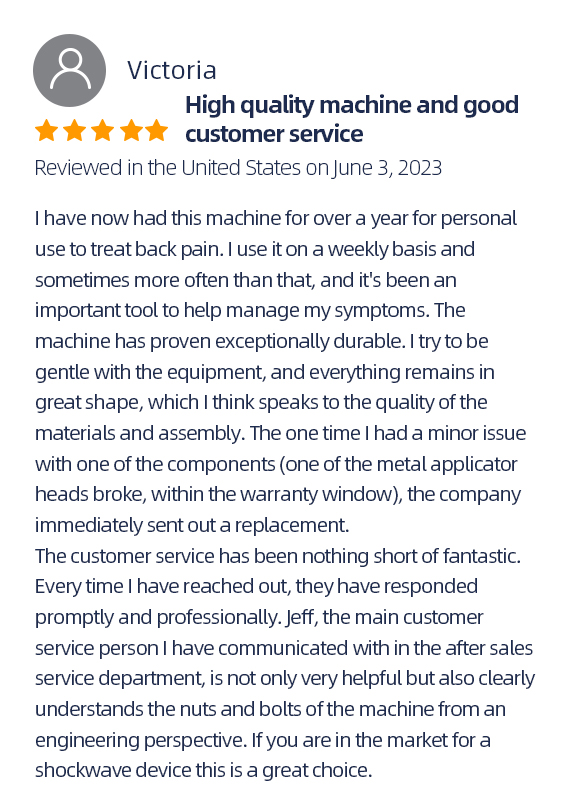
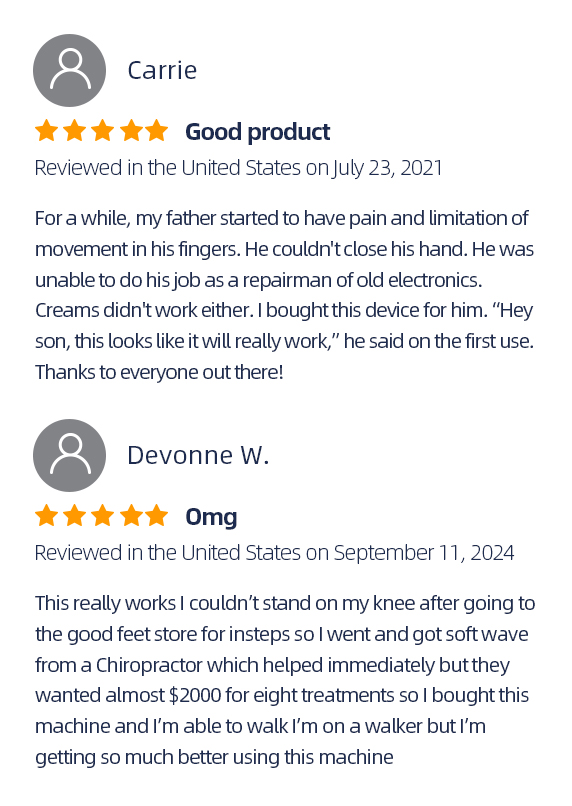
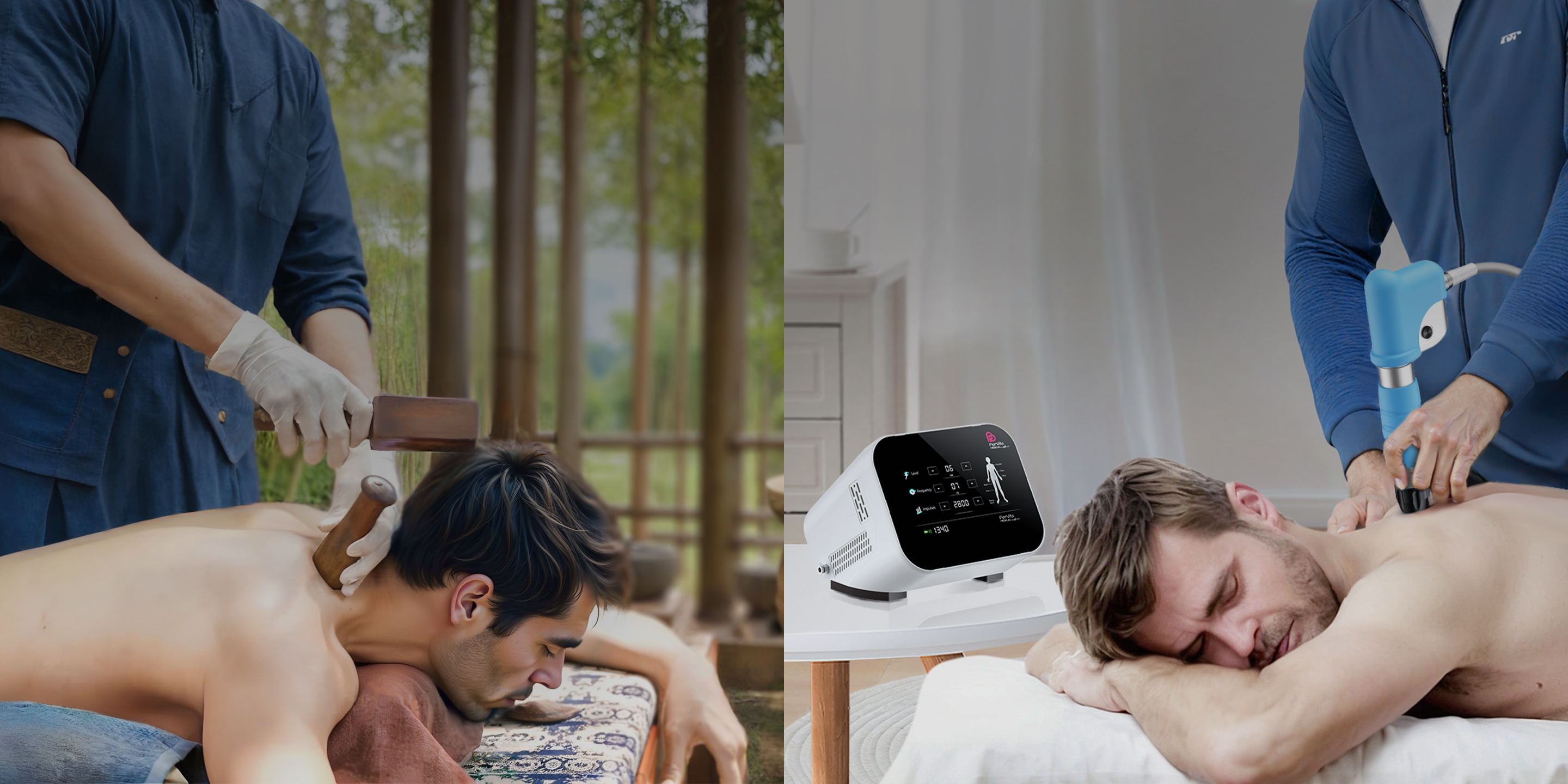
Extracorporeal Shock Wave Therapy (abbreviated as ESWT) is an innovative approach to pain management and serves as a non-invasive treatment option for a range of musculoskeletal pains and disorders. Its successful application in orthopedic pain therapy dates back to the early 1990s, supported by extensive clinical experience and research.
Over the years, a wealth of studies and practical applications, underpinned by authoritative sources from medical shockwave research institutions as well as international academic journals, have shown that Extracorporeal Shock Wave Therapy (ESWT) can specifically target and effectively treat certain pathological changes in tendons, ligaments, joint capsules, muscles, and bones. Common conditions that can be treated with ESWT include frozen shoulder (adhesive capsulitis), tennis elbow (lateral epicondylitis), and heel pain resulting from plantar fasciitis.
The shock waves utilized in ESWT are short-duration sound pulses that can penetrate water and soft tissues. These waves are generated externally within the handpiece of the ESWT device and are transmitted into the patient's body via ultrasound gel. Once inside the body, they exert a targeted therapeutic impact on the painful areas.
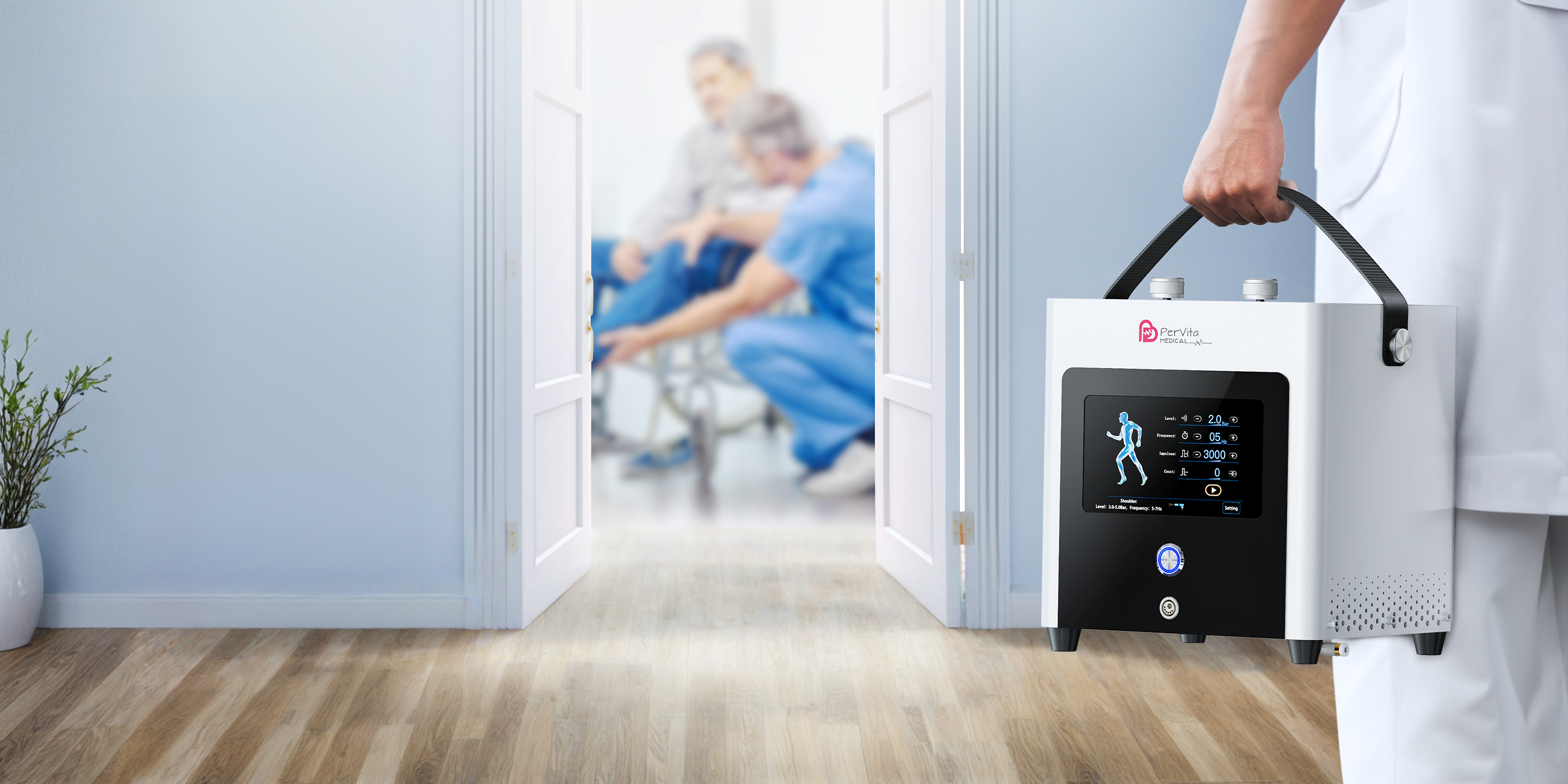
ESWT procedures are carried out by qualified healthcare professionals. For patients, this treatment is generally associated with minimal risks and side effects. Since it is an outpatient procedure, it can be seamlessly integrated into a patient's daily life, enabling patients to resume their normal activities immediately after treatment.
Extracorporeal Shock Wave Therapy (ESWT), as a non-invasive treatment, offers several advantages over surgical interventions. Unlike surgery, ESWT avoids the risks of anesthesia, infection, scarring, complications, and prolonged recovery time. This makes it particularly suitable for patients who are hesitant about invasive treatments or have contraindications to surgery.
Furthermore, Extracorporeal Shock Wave Therapy (ESWT) provides a non-pharmacological approach to pain relief, thereby avoiding the side effects and risks of dependency associated with long-term medication use. If you are suffering from chronic pain, shock wave therapy could be a suitable treatment option for you.
Radial shock wave therapy is commonly applied to treating muscle injuries and issues in the surface layers of skin, muscles, or tendons. The energy spreads out over a wider area, which helps improve circulation, ease pain, and speed up the healing process.
Focused shock wave therapy is more often used for deeper tissue problems - like bone diseases, tendon injuries or calcified tissues. Its targeted focused energy penetrates deep, reducing inflammation, dissolving calcium deposits, and triggering cellular regeneration.
The following diseases and symptoms can be treated with shock wave therapy:
Shoulder and neck
- Calcific Tendonitis (calcareous shoulder)
Back and fascia
- Lumbago (lower back pain)
Elbow
- Epicondylitis (Tennis or Golfer's elbow)
Knee and shin
- Patellar Tendonitis (Jumper's Knee)
- Tibial Stress Syndrome (Shin splint)
Achilles tendon and heel
- Achillodynia (Chronic pain syndrome of Achilles tendon)
- Plantar Fasciitis (heel spur)
Shock wave therapy is an effective treatment option for addressing a range of musculoskeletal pains and conditions. The length of a single therapy session varies depending on the specific type and severity of your pain or disease.
In general, a typical treatment session can last between 10 and 30 minutes. For optimal results, a series of 3 to 6 sessions are typically recommended, with each session spaced at weekly intervals.